
Surgery…
Have you ever had surgery? What for?
Hey guys, how are the questions asked? No, I have never had any type of surgery and may Allah prevent this from happening to anyone. Amen.
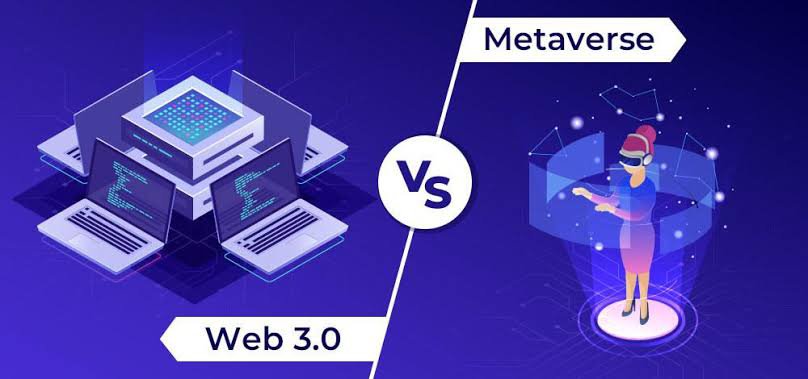
Metaverse and Web 3.0
As technology continues to advance, we are witnessing the emergence of new and exciting concepts that are changing the way we interact with the digital world. One such concept is the Metaverse, which is a virtual universe that combines elements of virtual reality, augmented reality, and social media. The Metaverse is a fully immersive digital world where users can interact with each other and with virtual objects in real-time. It is the next logical step in the evolution of the internet, and it has the potential to transform the way we live, work, and play.
The Metaverse is closely linked to the concept of Web 3.0, which is the next generation of the internet. Web 1.0 was all about static websites and one-way communication, while Web 2.0 introduced social media and two-way communication. Web 3.0 is the next step, which will enable the creation of decentralized applications and services that are not controlled by any single entity. The Metaverse is one of the key components of Web 3.0, as it will enable users to interact with decentralized applications in a fully immersive way.
The Metaverse is not just a single platform or technology, but rather a collection of technologies that work together to create a seamless virtual world. Some of the key technologies that are used in the Metaverse include virtual reality headsets, augmented reality devices, blockchain technology, and artificial intelligence. Together, these technologies create a fully immersive and interactive digital world that is constantly evolving.
One of the most exciting aspects of the Metaverse is its potential for social interaction. In the Metaverse, users can interact with each other in real-time, just as they would in the physical world. They can attend virtual events, play games together, and even conduct business. This level of social interaction is not possible with traditional social media platforms, which are limited by their two-dimensional nature.
The Metaverse also has significant implications for the economy. In the Metaverse, virtual goods and services can be bought and sold using digital currencies. This opens up new opportunities for entrepreneurs and businesses, as they can create and sell virtual products and services to a global audience. It also has the potential to create new jobs and industries, as the demand for virtual designers, developers, and marketers increases.
In conclusion, the Metaverse is an exciting new concept that is closely linked to the development of Web 3.0. It has the potential to transform the way we interact with the digital world, and create new opportunities for social interaction and economic growth. As technology continues to evolve, we can expect the Metaverse to play an increasingly important role in our lives.
Eid ul Adha (The Day Of Sacrifice)
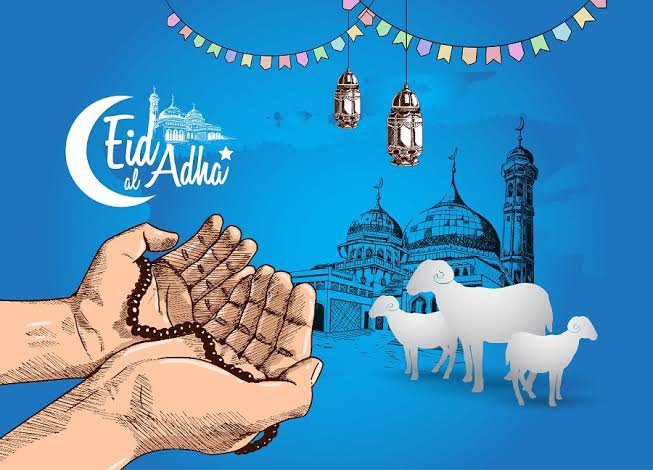
Eid ul Adha, also known as the Festival of Sacrifice, is a significant Islamic holiday that is celebrated around the world. It is the second major Eid celebration in the Islamic calendar and commemorates the willingness of Prophet Ibrahim to sacrifice his son as an act of obedience to Allah.
The observance of Eid ul Adha begins on the 10th day of Dhu al-Hijjah, the 12th month of the Islamic calendar, and lasts for four days. It is a time for Muslims to come together with family and friends, exchange gifts, and share meals. It is also an opportunity for Muslims to reflect on the importance of sacrifice, faith, and obedience to Allah.
The celebration of Eid ul Adha begins with the performance of Eid prayers in the morning, followed by a sermon or khutbah, which is delivered by the imam or religious leader. Muslims then participate in the symbolic act of sacrificing an animal, usually a cow, goat, or sheep, in commemoration of Prophet Ibrahim’s willingness to sacrifice his son. The meat from the sacrifice is then distributed among family, friends, and the poor and needy.
Eid ul Adha is also an occasion for Muslims to give to charity and perform acts of kindness. Many Muslims choose to donate money or food to those in need, and some even visit hospitals and orphanages to distribute gifts and spend time with those who are less fortunate.
In addition to the religious significance, Eid ul Adha is a time for celebration and joy. Muslims dress in their finest clothes, decorate their homes, and prepare delicious feasts to share with family and friends. It is a time for forgiveness, reconciliation, and strengthening of bonds between family members and the wider community.
In conclusion, Eid ul Adha is a significant Islamic holiday that is celebrated around the world. It is a time for Muslims to come together with family and friends, reflect on the importance of sacrifice, faith, and obedience to Allah, and share in the joy of the occasion. May this Eid bring happiness, peace, and prosperity to all Muslims around the world.
Daily lifestyle
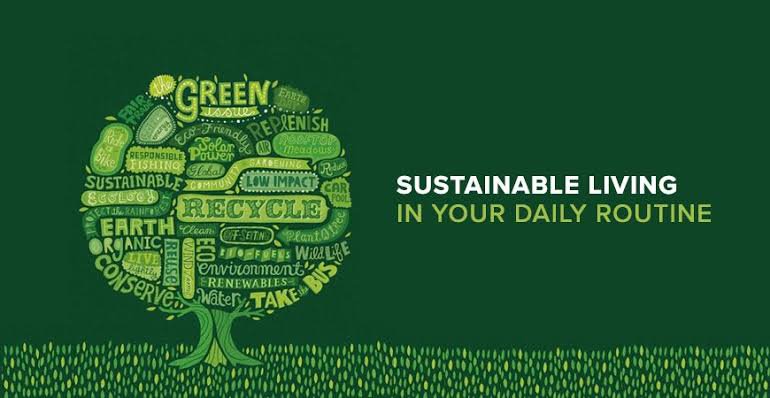
Are there things you try to practice daily to live a more sustainable lifestyle?
1. Reduce, reuse, and recycle: Practice the 3Rs to minimize waste and conserve resources.
2. Use energy-efficient appliances: Switch to energy-efficient appliances, such as LED light bulbs, to save energy and reduce carbon footprint.
3. Conserve water: Fix leaky faucets, take shorter showers, and use drought-tolerant plants in garden.
4. Eat a plant-based diet: Eating less meat and more plant-based foods can help reduce greenhouse gas emissions and conserve resources.
5. Use public transportation or carpool: Reduce carbon footprint by using public transportation or carpooling.
6. Buy local and organic: Support local farmers and reduce the environmental impact of food transportation by buying locally sourced and organic food.
7. Use reusable bags and containers: Use reusable bags, water bottles, and food containers to reduce waste and conserve resources.
8. Use natural cleaning products: Use natural cleaning products, such as vinegar and baking soda, to reduce exposure to harmful chemicals and protect the environment.
9. Plant trees and support conservation efforts: Plant trees in your community and support conservation efforts to help protect the environment.
Delicious Thing…
What’s the most delicious thing you’ve ever eaten?
The tastiest food and taste is the food from mother’s hand but still speaking, the tastiest food I have ever eaten was Pulau ( made with Rice).
My Outfit
If you were forced to wear one outfit over and over again, what would it be?
If I am told to wear the same outfit over and over again, I will definitely wear my favorite jeans, but before that, I will ask the person who is telling me to wear the same outfit over and over again, what is wrong with me? That I am being punished in such a way that now my outfit has started smelling and what is being retaliated against me?
😋😋
Spirituality and our Life
How important is spirituality in your life?
Spirituality is a crucial aspect of life that often goes overlooked. It is the practice of connecting with something larger than oneself, whether it is a higher power, nature, or simply a sense of purpose. While spirituality is often associated with religion, it can be practiced by people of all faiths and beliefs. It is important to note that spirituality is not synonymous with religion, and spirituality can be practiced without adhering to any specific religious beliefs.
Spirituality is important in our lives because it provides a sense of meaning and purpose. It gives us a framework for understanding the world and our place in it. It helps us to connect with others on a deeper level, and it allows us to find peace and contentment in our lives.
One of the most significant benefits of spirituality is its ability to help us cope with difficult times. When we face challenges such as illness, loss, or trauma, spirituality can provide a source of comfort and strength. It can help us to find meaning in these experiences and to develop resilience in the face of adversity.
In addition to providing a sense of purpose and helping us to cope with difficult times, spirituality can also have a positive impact on our physical and mental health. Studies have shown that people who practice spirituality have lower levels of stress and anxiety, better immune system function, and a reduced risk of depression and other mental health disorders.
Spirituality can also help us to cultivate compassion and empathy for others. When we connect with something larger than ourselves, we are more likely to see others as part of a larger community, and we are more likely to act in ways that benefit others. This can lead to increased feelings of happiness and fulfillment in our lives.
spirituality is a vital aspect of life that can provide us with a sense of purpose, help us to cope with difficult times, improve our physical and mental health, and cultivate compassion and empathy for others. Whether we practice spirituality through religion, meditation, nature, or other means, it is an essential part of our overall well-being.
Self care
How do you practice self-care?
It is important to have time to take care of yourself and if you don’t have that, you should have a girlfriend or life partner who will take care of you and you take care of her.
Nepotism: Understanding Its Implications in Today’s Society
Nepotism, as defined by the Merriam-Webster dictionary, is “favoritism (as in appointment to a job) based on kinship.” It is a phenomenon that has been observed in various societies, both in the past and present. In today’s world, nepotism has become a subject of much discussion, particularly in the context of the workplace.
The implications of nepotism can be far-reaching, affecting not only the individuals involved but also the organizations and societies in which they operate. In this article, we will explore the concept of nepotism and its implications for modern society.
Nepotism in the Workplace
One of the most common forms of nepotism is seen in the workplace, where individuals are hired or promoted based on their relationship with someone in a position of authority. This practice can have several negative effects on both the organization and the employees.
Firstly, it can create a culture of favoritism and exclusion within the workplace. Employees who are not related to those in positions of power may feel that they are not given the same opportunities for career advancement or recognition. This can lead to resentment and a lack of motivation, which can ultimately harm the organization’s productivity and success.
Secondly, nepotism can result in the hiring or promotion of individuals who may not be the best fit for the job. When decisions are made based on personal relationships rather than merit, the organization may end up with employees who lack the necessary skills or experience to perform their duties effectively. This can lead to poor performance, low morale, and ultimately, financial losses for the organization.
Finally, nepotism can damage the reputation of the organization. When it becomes known that employees are being hired or promoted based on their relationships rather than their abilities, the organization may be seen as unprofessional and unethical. This can lead to a loss of trust and respect from clients, customers, and other stakeholders.
Nepotism in Politics
Nepotism is also prevalent in politics, where family members of political leaders are often given positions of power and influence. This practice can have serious implications for democracy and the rule of law.
When political leaders appoint their relatives to important positions, it can create a perception of corruption and self-interest. It may be seen as an attempt to consolidate power and influence, rather than a genuine commitment to the public interest. This can erode trust in the political system and lead to a lack of faith in democracy.
Furthermore, nepotism can lead to a lack of diversity in political leadership. When family members are given priority in political appointments, it may limit the opportunities for other qualified individuals, particularly those from underrepresented groups. This can lead to a lack of diversity in perspectives and ideas, which can ultimately harm the quality of governance.
Conclusion
In conclusion, nepotism is a complex phenomenon that can have serious implications for modern society. Whether it is seen in the workplace or in politics, nepotism can create a culture of favoritism, harm the reputation of organizations and political systems, and limit opportunities for qualified individuals. It is important for individuals and organizations to be aware of the negative effects of nepotism and strive to promote merit-based decision-making in all areas of life.